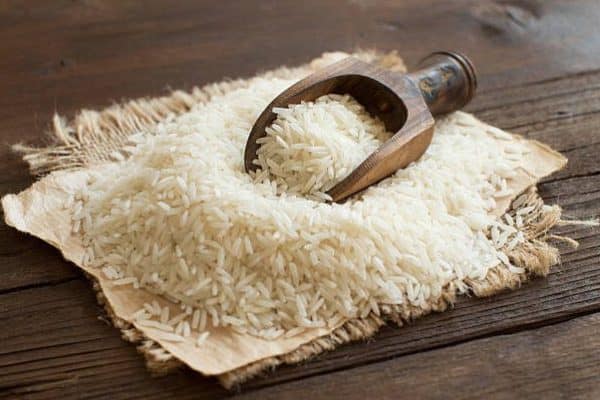
There are approximately 40,000 different types of rice in the world. In general, we export two types of rice: Basmati and Non-Basmati. There are numerous varieties within these two broad classes.
Basmati Rice
Basmati rice is one of the most common rice varieties in India. It is renowned for its long, slender grains and wonderful aroma. Basmati rice is renowned worldwide for its distinctive flavour. It works best in biryani, fried rice, pilaf, and other popular rice dishes.India is one of the largest exporters of basmati rice.
Basmati Rice -White
Pusa Basmati 1121 is a variety with Basmati rice quality characteristics inherited from Basmati 370 and Type 3 among other traditional Basmati varieties. This species is essentially the result of hybridization. In 2003, commercial cultivation of 1121 Basmati Rice began. It is easily digestible.
Traditional Basmati Rice
There are multiple varieties of basmati rice. Traditional varieties of basmati include 370, 385, and Ranbirsinghpura. Traditional Basmati Rice is available both cooked and uncooked. It is utilised in Continental, Indian, Mughlai, and Chinese cooking.
Golden Sella Rice
Rice retains more of its original vitamins and minerals when it is parboiled. The procedure ensures that cooked grains are firm. The absence of both cholesterol and gluten from cooked rice. Low in sodium and saturated fat as well. Provide energy to body.
Sugandha Basmati Rice
Sugandha Basmati Rice is one of India’s most affordable long-grain basmati rices. It is typically grown in Punjab, Haryana, Uttar Pradesh, and such other Indian states. Sugandha Basmati Rice has an exquisite aroma and is non-sticky. It is typically slightly shorter than Basmati 1509 and Basmati 1121.
Sharbati Basmati Rice
Sharbati Basmati Rice is a hybrid of Traditional Basmati Rice and has no particular aroma. Sharbati Basmati Rice is prepared in a manner analogous to that of Basmati Rice. It is roughly 14-15 mm long. The length of its rice grains is approximately 7.1-2.2 mm.
NON-BASMATI RICE
All rice varieties other than basmati are referred to as non-basmati rice. Non-basmati rice includes rice of various sizes, shapes, and varieties.Some varieties of rice are long and thin, while others are short and broad.
Parboiled Rice
Rice that has been partially boiled in the husk is parboiled rice. It is essentially similar to cooking rice. The parboiling process involves soaking, steaming, and drying.These procedures facilitate rice processing by hand. Additionally, parboiling improves its nutritional value, alters its texture, and makes it more resistant to weevils.
Broken Rice
First of all, despite the fact that it is called broken rice, there is nothing actually wrong with it. It is nutritionally equivalent to other types of rice. Fragments of rice grains that have been broken in the field, during drying, transportation, or milling. Mechanical separators are utilised to separate broken grains from whole grains.
Sona Masuri Rice
In India, the Andhra Pradesh, Telangana, and Karnataka states cultivate the Sona masuri variety of medium-grain rice extensively. Golden Ivy is the literal translation of Sona Masuri. This premium rice variety is exported primarily to the United States, Canada, Europe, Malaysia, and Middle Eastern nations including Saudi Arabia and Qatar.